I do not position myself as an advocate for homeschooling over traditional schooling, nor do I want to convince families not to homeschool. I want the families who do choose to homeschool to have the tools they need to increase the likelihood that it will have a good outcome, and reduce the possibility of harm.

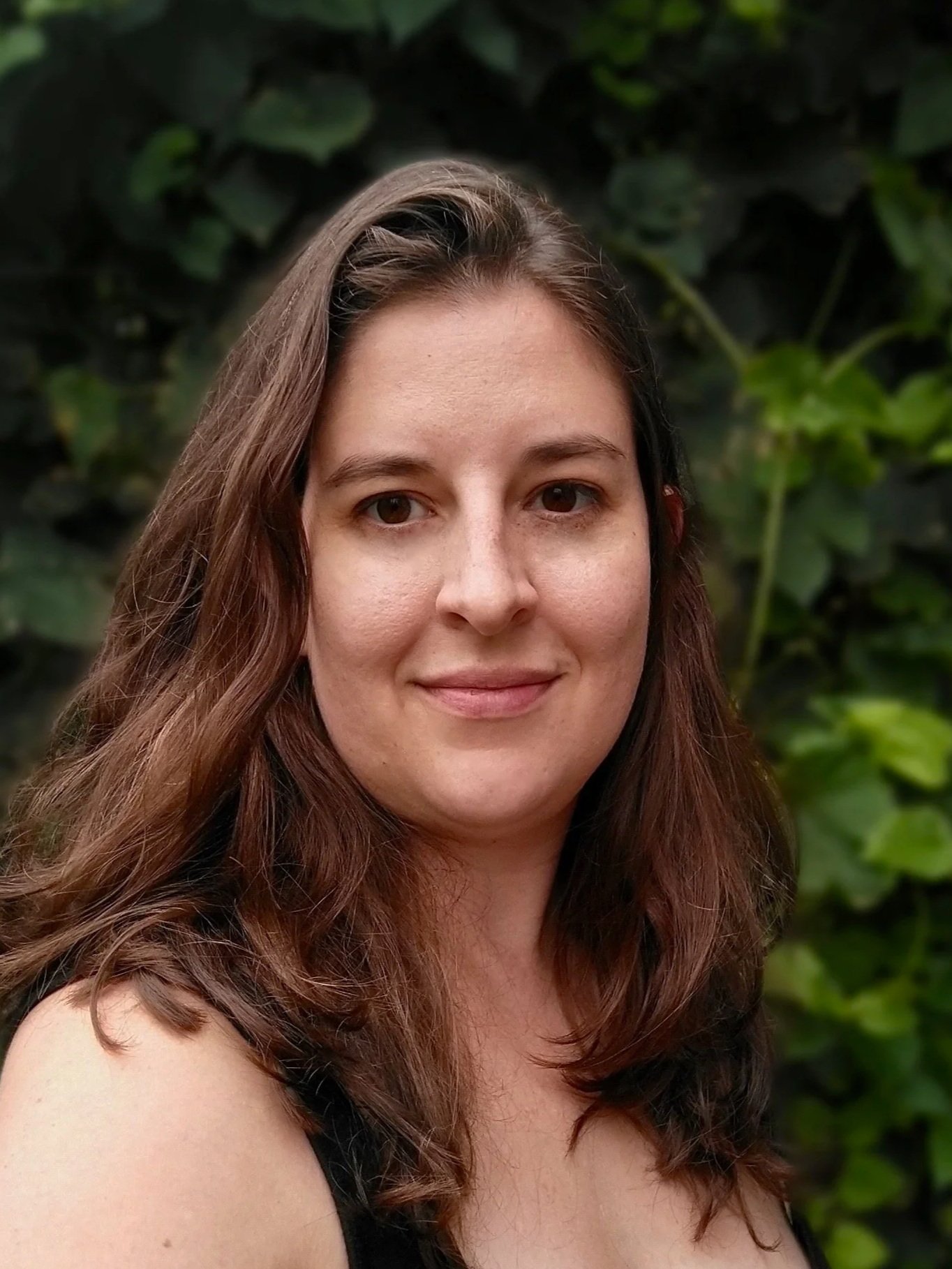
My parents homeschooled me for my entire childhood, and I benefited from many aspects of homeschooling. It inspired me to study education and become a public school teacher. But despite my parents good intentions and great effort, I still experienced a lot of the harm that came from homeschooling.

My college degree in education and time working in Chicago Public Schools has helped understand better why homeschooling is such an attractive solution to the problems of our traditional schools systems. But I also understand the criticisms against homeschooling. It solves most of the problems of traditional education, but for everyone it solves it introduces a new problem. I do not see the homeschool community having open and frank conversations about the negatives of homeschooling and the harm it can cause.

Pointing out the risks and harms caused by homeschooling is not an argument against it. It is the responsible way that educators reckon with the gap between their good intentions and the outcomes their students experience.